
It usually doesn’t start with a shout.
More often, it’s a sigh that goes unheard. A glance that lingers a moment too long. A tone that sharpens just enough to wound. Relationships rarely collapse in a single moment; they erode, moment by moment in the silence between words.
John Gottman calls the small interventions that interrupt this erosion repair attempts. A hand reaching across the table. A gentle joke to soften the moment. A simple, disarming phrase: “Can we try again?”
Gottman’s research reminds us that it’s not the absence of conflict that predicts relational health, but the presence of repair. In fact, he famously observes, “The success of a relationship depends not on how well you avoid conflict, but on how well you repair after conflict.”
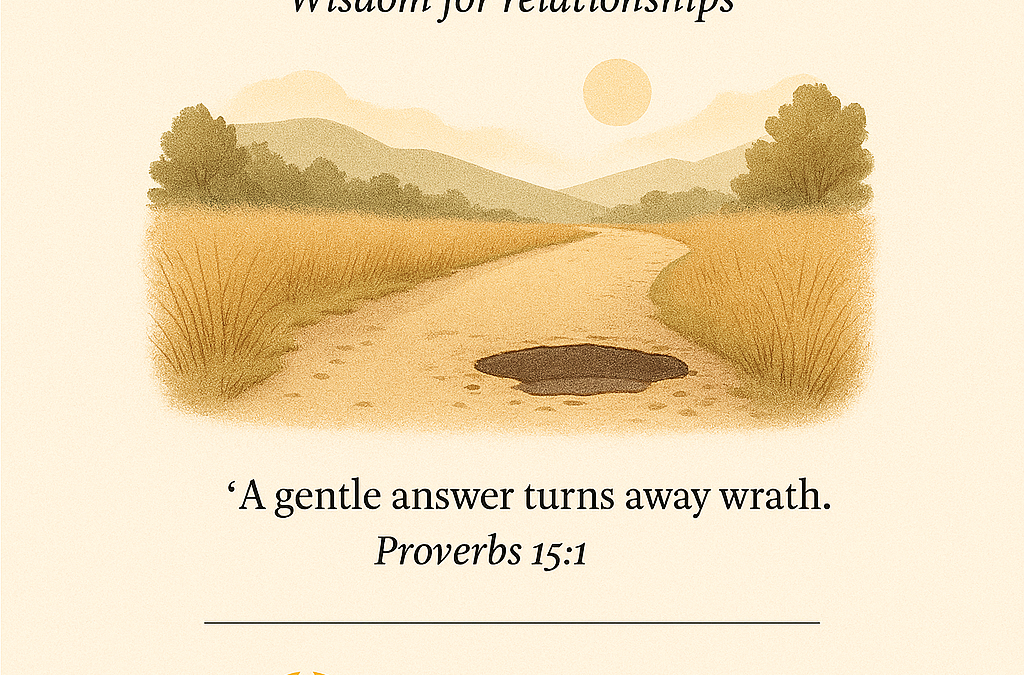
Picture a Scottish forestry track after heavy rain. If you wait until the potholes are deep enough to crack an axle, you’re already too late. But notice them early — grab a shovel, a little gravel, a willing hand — and the track remains passable, even beautiful. We find places we never knew were so beautiful.
Repair attempts work the same way. They are acts of humility and hope, whispered before the damage hardens.
Scripture has always understood this wisdom. “A gentle answer turns away wrath,” Proverbs tells us, while “plans succeed with many advisers” quietly affirms the courage of seeking help early.
Jesus himself urges, “If you are offering your gift… and remember that your brother has something against you, go and be reconciled.” Not later. Not when it’s unbearable. Go — now.
Here’s the irony: most people enter into crisis before asking for help, when the emotional debt is high and the ground already impassable. But the true power lies in prevention — learning the language of repair before it’s desperately needed.
Gottman notes that repair attempts fail not because they’re wrong, but because partners haven’t learned to recognise or receive them. That’s where good coaching, wise counsel, and safe spaces matter most.
To get help before you need it is not weakness. It’s inspired stewardship.
So listen for the small moments. Practice the reach, the pause, the repair. Because the strongest relationships aren’t those without fractures — they’re the ones where repair became a shared art.
And once learned, it changes everything.